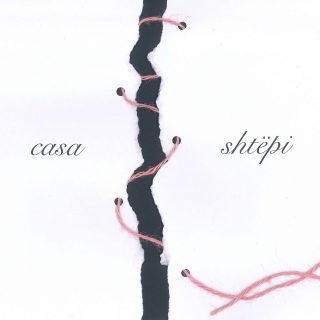
The 1990s in Albania were a time of fear and chaos. We were tested as a nation, yes, but we also revealed the best of our spirit. It was a time when, as we struggled to rebuild our country and fumbled in search of stability, we opened our homes to our brothers and sisters fleeing the war in Kosovo.
In 1999, I was just a young boy, still figuring out the world, but I remember those days as if they were yesterday. The images from the news, the stories passed down by relatives and the tense silence in our neighborhood are seared into my memory. Yet I don’t recall only darkness: I also carry stories of compassion, of solidarity, of hope born from the worst of circumstances.
I carry the day my family and I decided to help. It was spring, cold and cloudy. I had just come home from school when my father rushed inside, urgency in his eyes. A neighbour had contacted him: a family from Kosovo had just arrived in our town, searching for a place to stay after losing their home. They carried nothing but the clothes on their backs and the few belongings they had managed to hold on to.
Without hesitation, my father went to speak with them, and soon after, they arrived at our door. I watched as my mother organized a makeshift shelter, offering them our living room so they could rest. They looked exhausted: tired beyond words, their eyes filled with fear and uncertainty. Despite our modest means, my family shared what we had: food, blankets and warmth. In that moment, I understood what true humanity meant. As a family, we did a simple act of kindness, and it changed us all.
I remember wandering through the streets of Librazhd, the local bazaar alive with stories: families bringing food, clothes and toys to those who arrived with nothing but hope. It was a time of pain, but also of collective strength. I recall the panic when stockpiles of weapons accidentally exploded in another town. We were all on edge. Still, people huddled together across the neighborhood, sharing news, comforting one another and still organizing aid for the refugees.
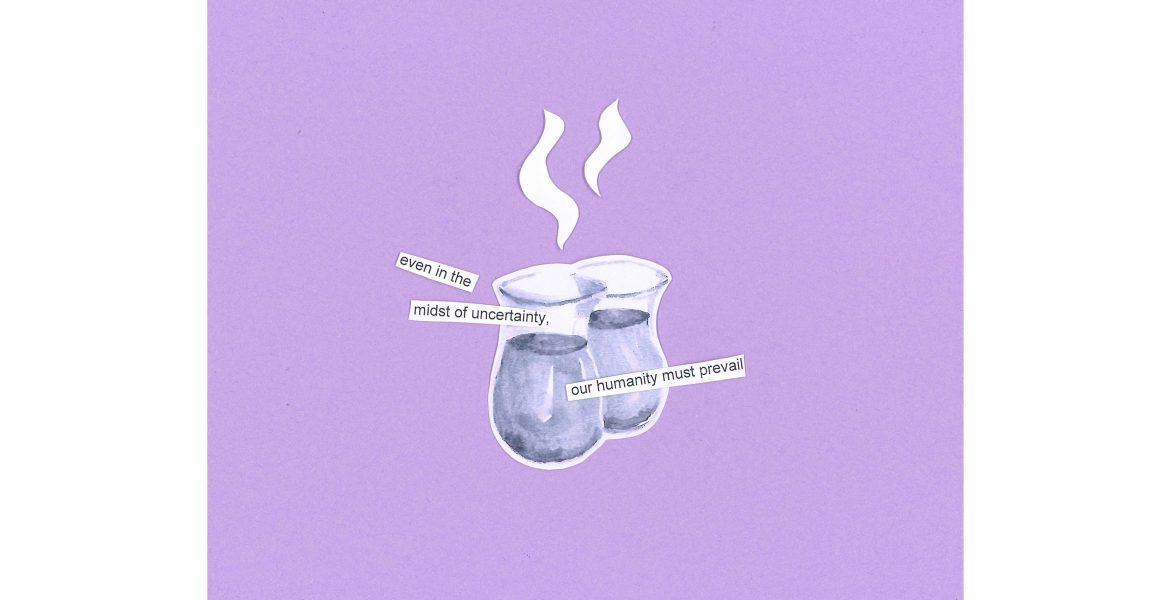
Most of all I remember an elderly woman from our street, teta Lila. She had taken in a family as well, offering them her own bed and the little food she had. I recall standing in her yard, watching her serve tea with trembling hands, her face a blend of worry and compassion. Even in our own suffering, she showed that we could still find ways to give and to support those in need.
My father, often busy working to make ends meet, would sometimes gather volunteers to help transport refugees to nearby camps, or he would go to the market to bring extra supplies. It wasn’t much, but it meant a great deal to him, and to me. It was about believing that, even in the midst of uncertainty, our humanity must prevail.
Of course, those months weren’t easy. The fear of losing loved ones was ever-present. I remember my family staying awake at night, listening carefully for any sound of explosions, praying that our relatives in Kosovo — whose stories haunted our conversations — would remain safe. Every new day felt uncertain and risky, but the strength of our bonds kept us going.
I also remember the support of the international community. While our government and local organizations did everything they could, the scale of the crisis was overwhelming. Foreign NGOs and aid workers from around the world brought supplies, medical care and hope. Some stayed in my town, and I recall the mix of curiosity and gratitude I felt toward those who had traveled so far to stand with us.
By the summer of 1999, the fighting in Kosovo finally subsided, and the peace process began to take shape. Many refugees started returning home, carrying with them stories of loss, but also of resilience and the kindness they had found along the way. Even as they disappeared from our streets, their stories remained embedded in our collective memory.
Looking back, I know those months changed me forever. They taught me that, despite our own struggles, we are capable of opening our hearts to others, including strangers, when the moment calls for it. The memory of the Kosovo refugees we hosted, and of the elderly woman who gave her last piece of bread, is proof to me of the power of human connection.
Of course, there were many moments of doubt and fear, moments when I questioned whether we were doing enough, or whether our efforts truly mattered in the grand scheme of things. But I have come to believe that what we do in small moments — the sharing of a meal, a comforting word, an open door — is what makes us who we are, what binds us across time and space. These small acts create a legacy of humanity that lives beyond political borders and conflicts.
I hope that thirty years from now, the stories I share today will inspire future generations to do the same. For remembering where we come from is not only about recalling pain, but also about honoring the strength, courage and compassion that carried us through. To remember it all is an act of resistance: resisting despair, hate and division.
As I grow older, I carry these memories with pride. I know that what I witnessed is part of a much larger story: a story of Albanians, united despite this one border, and of human beings who care for each other, despite all borders.
Illustration: Emilia de Haën / Pro Peace
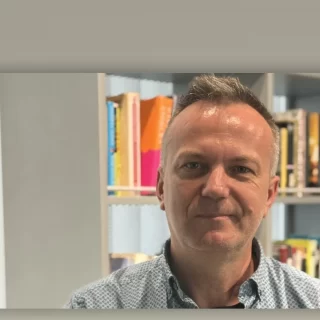
Arlis Alikaj is a journalist, freelance writer and activist. Since 2008, he has contributed to local and national magazines and newspapers in Albania. As a committed community organizer, he has led projects on environmental, youth and gender issues. His drive for positive change fuels his work and inspires him to highlight pressing, under-reported issues in Albanian society.
This blog is part of the Bridges of Memory series. Discover more stories here.