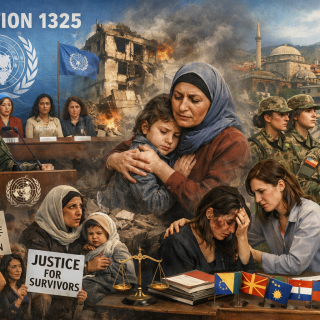
Memory has pulled me away from others, even those closest to me. I feel ungrateful even admitting it. In 1999, my mother and father, two older brothers and my youngest aunt left our homeland when I was just ten months old. We left behind a Kosovo of wrecked cities, collapsed buildings and broken communities.
Unlike my parents, I was raised in a life of security, far from the hardships they withstood. Right after the war, Kosovo had become overcrowded with hurt, tired and traumatized people, forced to move on. We were able to leave. Bruised and exhausted, my family arrived in the land of opportunity, greeted by strangers wearing sorrowful smiles as they waved red, white and blue flags and held signs that read, “Welcome Home!”
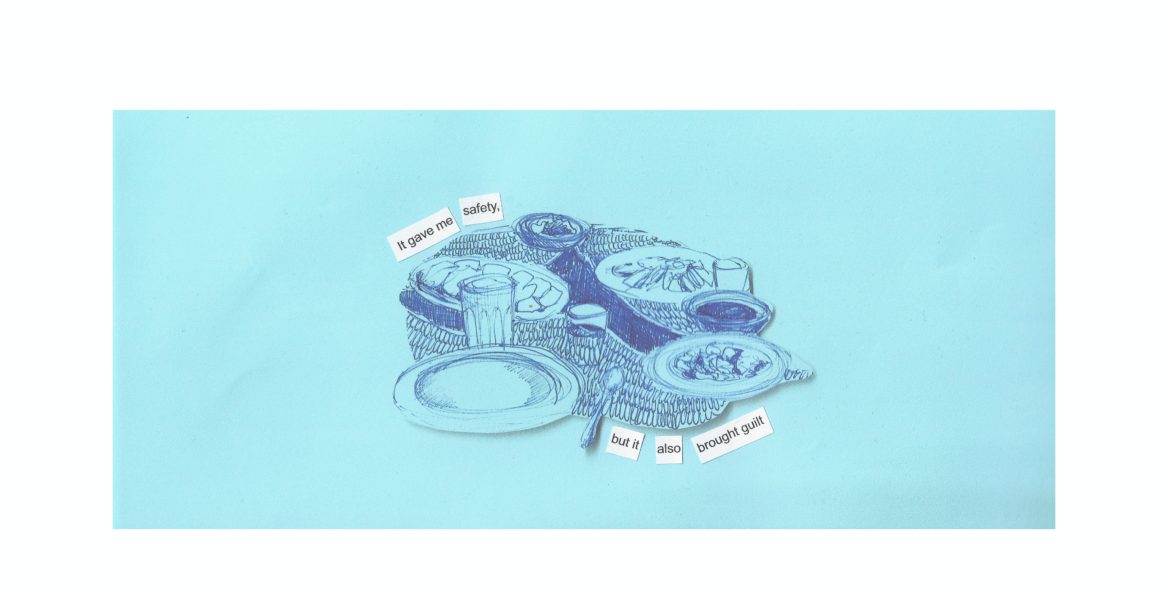
Growing up in the United States gave me safety, but it also brought guilt, heartache and a sense of disconnection. I felt guilty because the part of my family who remained in Kosovo had to pick up the pieces of their shattered country, a cruel puzzle that seemed to be missing pieces entirely.
I also felt constant heartache knowing that we had access to healthcare, jobs and education while they did not. At times, I felt relief, knowing I had not witnessed the aftermath of the genocide and ethnic cleansing that scarred my loved ones, my neighbors and fellow citizens. But that relief was always pierced by the reality that they had.
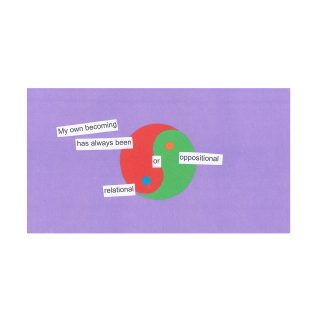
I existed on a completely different continent, an ocean away, raised among very different beliefs, surrounded by foreign people and a foreign land. Subtle details, such as their Albanian directness or the sensitivity I could nurture in America, spoke to the contrasting environments that shaped us.
I grew up hearing people come together over what and whom they had lost; a father, a child, a friend, a home. Sometimes, I wished I could relate. I wanted to share in what they had, to feel the unquestionable bond of those who come from the same hurt and the same pain. But I did not.
Instead, I occupied this uncertain space between our worlds, constantly searching for ways to bridge the distance. My experiences, shaped by ease and stability, stood in contrast to theirs, defined by survival and resistance. I was left on the outside looking in, unable to share my story among my people’s stories.
I didn’t grow up in a poverty-stricken corner of the world, fearing war with my neighbors, amid hostility once stained with the blood of my kin. I could not truly understand the people of my homeland, and for that, I felt guilty.
I was raised in comfort, surrounded by an abundance of toys and nestled within the security of a beautiful home with a large backyard. Each evening, I sat before plates overflowing with warm, delicious food, meals so rich and plentiful that I sometimes left them unfinished. This always upset my parents.
In these everyday moments, set against the backdrop of my privilege, I felt a profound disconnect between my inherited comfort and the hardships etched into my family’s past. I grew up with privileged struggles, more fortunate than most. And with this fortune came a heavy heart and a guilty conscience.
I have no memories of what my people were forced to endure. I feared those memories, I desired them, but it is in my family’s memories — filled with pain, resilience and yearning — that I finally found the path for my own search for belonging.
I remind myself that empathy can transcend memory. Perhaps, in the simple act of listening to and honoring their experiences, I begin to build my own bridge back to a heritage that feels both distant and deeply rooted within me. The resilience of my ancestors inspires me to honor their legacy not just with sympathy, but with action — by sharing their stories, preserving their traditions, and nurturing a future where safety and home are no longer mutually exclusive.
I walk this path, and I carry them with me. I hope that one day they can not only survive but truly live, experiencing the freedom, safety and happiness they so rightfully deserve. As I hold hope for their healing, I recognize that true recovery is not a finish line to cross, but an ongoing journey, paved with small triumphs, setbacks and moments of grace.
In this persistent practice, as our realities brush against one another, I finally find myself woven into the fabric of their struggle, carrying both gratitude for my own peace and a responsibility to ensure that their voices echo beyond borders, reminding the world that survival is only the beginning of truly living.
At long last, I realize that every act of listening, every effort to remember, and every attempt to share their stories becomes a plank in the bridge that connects us. Across this bridge — forged in empathy and mutual affirmation — we can reach across divides, carry one another’s burdens, and find common ground on which to move forward together.
Illustration: Emilia de Haën / Pro Peace
Leonita Memeti immigrated to the United States with her family in 1999 as refugees from the Kosovo war. Since then, she has navigated life between her Kosovar roots and her American upbringing. Currently pursuing studies in Criminal Justice, Global Studies and Human Rights, her research examines the long-term impact of wartime sexual violence in Kosovo.
This blog is part of the Bridges of Memory series. Discover more stories here.