Should I be thankful that I don’t have recollections of war, or should I feel guilty for not having a personal connection to something that has fundamentally shaped the history of our people?
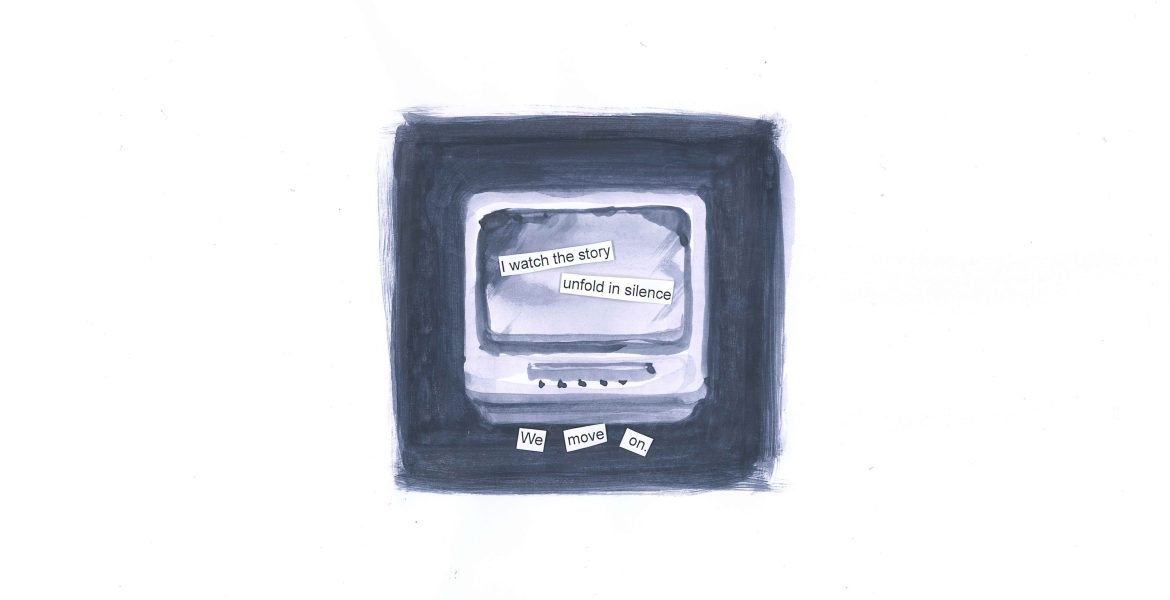
The story of an Albanian woman raped during the war in Kosovo appears on our television screen. Her voice is robotic, altered for anonymity; the interviewer sits across from her. My dad, mom, sister and I watch the story unfold in silence. Nobody speaks. Dead quiet. We follow the story almost inattentively. At one point, dad decides to switch the channel. We move on.
I grew up in a family of seven: my grandparents, parents, two older siblings and myself. Being the youngest always made me feel excluded; I was never part of the conversations the adults were having. Between my child self and my adult self, many conversations were had. Many stories were told and experiences shared; many, but one: the Kosovo War.
I don’t feel a personal connection to the war. I realize how that sounds, so let me explain what I mean.
Of course, I know the war happened. I know when, where and how. As a child and teenager, history books taught me that. Growing up, I formed my own understanding of the war, though it took me a while to figure out how. I am aware of the loss we faced, and the loss we keep facing today, such as the 1,589 people who are still missing from the war. But when it comes to my own personal connection, there is little to hold on to.
I also know of the stories of the war, passed down to my peers from their parents and grandparents. I know of what my peers call intergenerational trauma. For them, the trauma is real and it is painful. I, on the other hand, don’t carry the same weight.
I feel a sense of guilt, even now as I try to make sense of my positionality as an ethnic Albanian and a post‑war child. I feel guilty because I know how strongly the Kosovar people feel about the war. Maybe I am the privileged one.
My maternal grandfather died during the war. That is where my relationship with him ends. I often wonder whether he and I would have gotten along. I am sure he was a great man.
They say stories help keep people’s memories alive, even if you have never had the chance to meet them. But I never heard stories about him. I don’t know how he died or what he was like. I don’t even know what memories my mother has of him. Throughout my life, I have always felt like I only ever had one grandfather, my father’s father. I don’t know much about the “other” grandfather who died during the war, and I don’t believe that is fair.
It is as if my family has collectively decided the war is not something we will talk about. Not during family gatherings, not while drinking coffee at the table just outside the front door, not even when the lights go out and all that is left to do is to talk.
As someone who studies writing and works with words, I cannot help but consider silence a form of language. My family’s decision never to speak about the war has become the language through which I have come to understand it. Experiences we have never lived can still become personal when we keep hearing about them. But I don’t know my family’s experience.
I never even asked. I am not sure why. Perhaps I never even felt like asking. Maybe, the silence surrounding the war persuaded my subconscious that it had never existed. My desire to know more about something I was never told was simply washed away.
I struggle to exist in this in‑between sort of state. The Kosovo War feels both close and distant; close because it happened only 26 years ago, and because it will forever remain part of the identity of Kosovo. Distant, because I only heard about it through history books and television stories, like the one our family watched in silence. Distant, because although my family lived through the war, I was never let in on their experiences. Ultimately, that made me distant, or perhaps privileged, or naive. I can call this distance many names.
Sometimes I catch myself in these thoughts and wonder if they sound like a complaint, if they sound like I resent not having lived through the war myself. But that’s not what I mean. I don’t wish for the trauma; I am grateful to have been spared.
What I am trying to understand is how silence itself becomes a kind of inheritance. When something so central to a people’s identity is left unspoken, it shapes you in quieter, more complicated ways. My thoughts come not from longing for pain, but from wanting to understand what it means to grow up in its shadow.
Silence guides me in ways I cannot always name. It teaches me what is safe to ask and what should be left alone. It tells me that pain is private, and that remembering can be dangerous. In my family, silence has become a kind of language, one that — perhaps — says as much as words ever could. It has shaped how I understand history: not through stories passed down, but through the spaces where stories should have been.
Maybe silence, too, is a way of remembering.
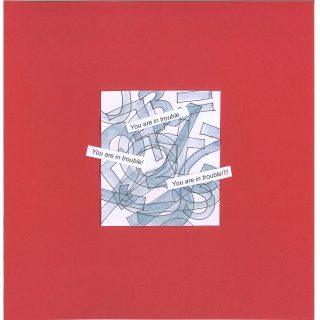
Illustration: Emilia de Haën / Pro Peace
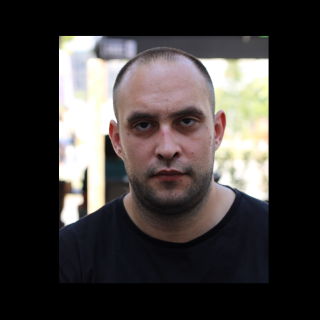
Rexhep Kameraj is an M.A. student in Writing, Rhetoric and Technical Communication at James Madison University.
This blog is part of the Bridges of Memory series. Discover more stories here.