I was ten years old, sitting at the rough wooden table my parents had built. It wasn’t much, just planks nailed together, but it was ours. Winter slipped through every crack, yet the old chimney heater fought to keep us warm. I was struggling with fractions, resenting numbers that demanded answers I couldn’t find. Then my mother’s calm voice broke the quiet: “Father, I want to speak with you.”
In our Albanian household, the father-in-law was untouchable, a pillar of authority. Yet her voice carried something sharp, something unfamiliar. My heart raced. Was she confronting him about what I had told her the night before? I watched from a few steps away as my mother squared her shoulders, hands still, and asked: “A ma ke sha nanën?” — “Did you curse me behind my back?”
No one had ever dared confront my grandfather before, but she did. His face remained unreadable until he shook his head. “Çka? Unë? Kurrë!” — “What? Me? Never!” My stomach twisted. I told myself:
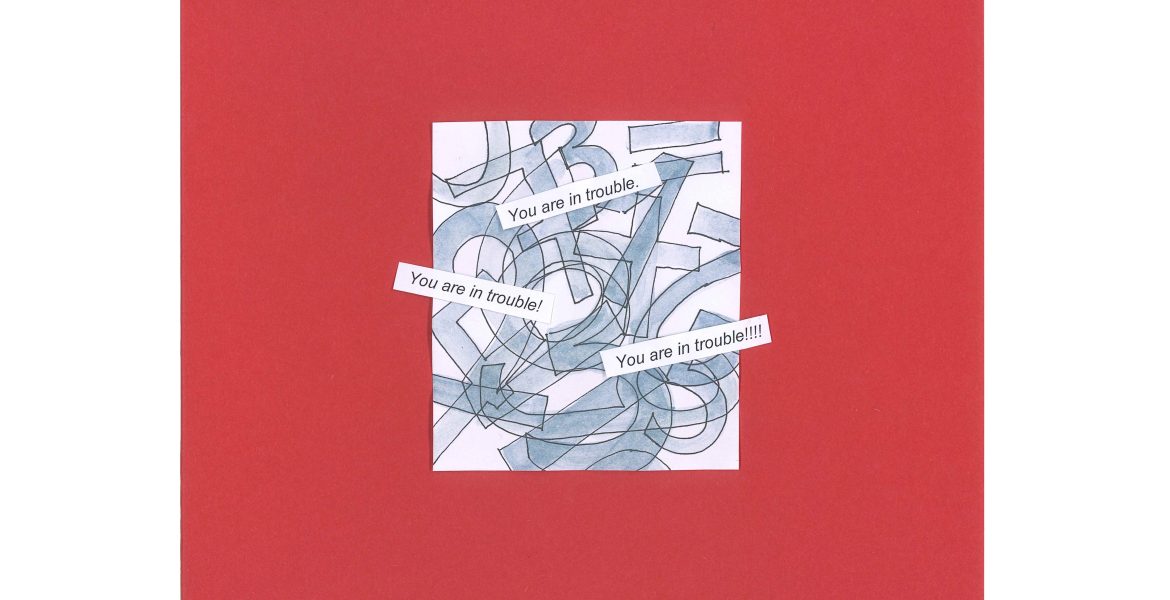
You are in trouble.
You are in trouble!
You are in trouble!!!!
I had heard him clearly the night before. He spat his words like poison, words so cruel they made my skin crawl. I could not bear the weight of silence, the complicity — not against my mother. I had run straight to her and told her everything.
His finger rose, slow and deliberate, pointing right at me. His voice was steady, almost casual: “Did she tell you?” The world shrank. The warmth from the heater disappeared. The room started suffocating me. I wanted to melt into my chair.
Before I could open my mouth, my mother put herself in between: “No, she did not.” Relief and guilt collided within me. Her lie wrapped around me, trying to keep me safe.
My grandfather remained unfazed. Quietly, looking me straight in the face, he said: “If she told you this, I will kill her.”
I froze. I was ten. For the first time, I heard someone say they could kill me. Childhood slipped through my fingers. I became alert, always observing, always reading moods to avoid danger. Words did not nurture; they made me shrink. A tear slid down my chin, and in that winter I learned fear, but also what it meant to be loved. My mother had protected me, and I chose her, then and always.
My grandfather thrived on control. He dictated the mood of our household, his temper unpredictable, his authority unquestioned. We tiptoed, breathing quietly, hearts tight. Words became a risk, and silence became my armor. I did not just hold back speech; I performed constant self‑monitoring, hiding my authentic self to survive.
Sometimes I slipped. One summer day, I made a joke I thought was harmless. The air changed instantly. My grandmother scolded me: “He will kill you. Why would you make that joke?” I was learning that even the smallest misstep could provoke terror. Fear became my default mode.
By age eleven, I was hiding a broken tool to avoid my grandfather’s wrath. Each night I lay awake, rehearsing explanations, rummaging through imagined consequences. Survival demanded constant vigilance. It was not bravery; it was necessity. When I overheard him speak cruelly about my mother, I was paralyzed.
Not my mother. She would confront him, steady. She was brave, she was resilient. Pressed by risk, she was a mother. She taught me to stand for others and for myself.
When he died in 2011, I didn’t feel grief in the conventional sense. His death brought relief. The oppressive presence, the shouting, the fear — all of it lifted. Our family slowly began to heal.
His absence began a new season; we could finally breathe. With time, I realized he had never known how to love, and perhaps never had the capacity for it. This understanding did not excuse his cruelty, but it gave me context for his behavior.
In my culture, grief is performative. At funerals, loud crying is expected, proof of love. I watched my father flounder under the demand to grieve as prescribed. It was one of the hardest moments I had ever witnessed, the first and last time I saw him cry.
As I grew older, I found safe spaces where I could begin speaking about my experiences. First, with my boyfriend, in quiet, unplanned moments. Later, with a college friend who listened without judgment, holding my truths as if they were her own. Giving voice to the pain I had carried for years was a revelation. Those memories had lived in my body, shaping my reactions, my trust, my movements. Simply being heard unlocked understanding and self‑reclamation.
Then I began writing. At first, only fragments — small sentences, memories repeated to myself like a record. Writing allowed me to work my emotions into words — those, I could organize. I started to make sense of the trauma. Out of the chaos I had carried, patterns revealed themselves, meaning surfaced. My story, once broken and silent, began to cohere. Pain, fear and confusion emerged vividly, but clarity followed. Writing became a practice of honesty over perfection, a ritual of survival transformed into transformation.
Healing, I learned, is not linear. It is uneven, slow, and sometimes painful. Yet each word I wrote lightened my load. Naming my experiences, feeling them, acknowledging them — this ritual was a reclamation of self. I began to see how early experiences had shaped my view of authority: power as fear, not guidance. I had internalized silence as safety. But now, through reflection, writing and dialogue, I have begun to claim authority over my own story. The permission to speak, to set boundaries, to rewrite the meaning of power in my life, was always mine to give.
I wrote not to forget, but to confront the past, to meet it, and eventually, to find peace. Words became more than documentation; they became a path to emotional freedom. Each sentence, each memory, became a small act of defiance — a testament to survival, resilience and growing self‑awareness.
Through the cracks in the life scripted for me, I came to see something essential: healing is not born of grand gestures. It is born of presence: of someone willing to witness, to hold space, to listen without judgment. It is born of writing, of reflection, and, at times, of the courage to speak the unspeakable. With each step, I reclaim a little more of myself.
Illustration: Emilia de Haën / Pro Peace
Ema — a pseudonym chosen to preserve the writer’s anonymity — uses writing as a space to think aloud about conflict, identity and the work of building bridges through communication. Her pieces arise from a desire to understand, and to help others understand, what brings people together.
This blog is part of the Bridges of Memory series. Discover more stories here.