I was born in 2000, into a childhood held hostage by silence. I grew up in Gjakova, one of the municipalities hardest hit by the war, both in terms of material destruction and crimes committed against civilians. My earliest memories are from when I was four, living with my family in a neighborhood that could barely be called one.
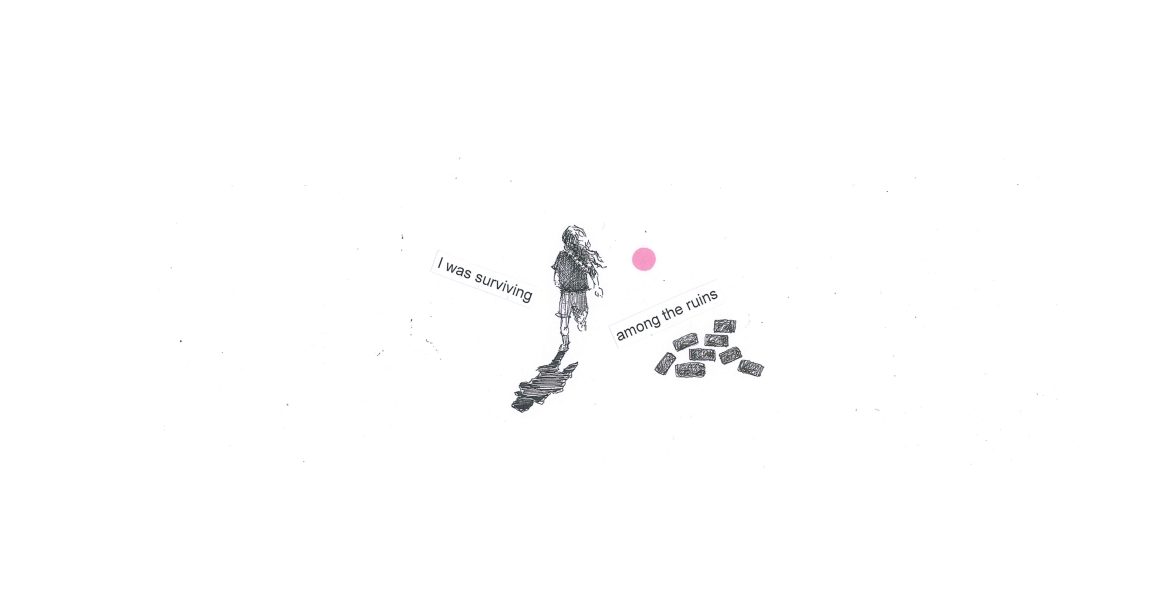
Our house had been burned down. The apartment we moved into was damaged, infested with cockroaches, and furnished with old, worn-out furniture. The streets around our home became the setting for my early games, where I made believe I was part of a small society surviving among the ruins of a post-apocalyptic world.
Every burned wall and remaining ruin told a story of loss and destruction. But what I remember most is the silence of pain. Women and men avoided talking about the war, as if every word could revive bitter memories or reignite unresolved pain. Many had lost a relative — or perhaps more — and with them, a piece of themselves, buried along with the dead.
As the youngest child in my family and the only one born after the Kosovo War, the events of that period appeared to me as unclear, fragmented images. I learned about the war through bits of stories my relatives shared from time to time, their conversations ending brusquely because the grief was still too raw. “Thank God those days are over” frequently — and quickly — brought those confidences to a close.
My experience of the war was shaped by the elders’ determination to avoid anything that reminded them of the Serbian occupation: Serbian music, Serbian slang in our everyday Albanian, and the names and faces of Serbian public figures in art or sport. At school, the war and the crimes committed in Kosovo were covered only in the final chapters of history textbooks, and even then, what we learned was incomplete.
Still, I may have fared better than some. A few weeks ago, I heard a sixth-grader ask with curiosity, “Who is Milošević?” Attending a private school in Pristina with an international curriculum, he had not studied the Kosovo war at all. Many, like him, glide through primary and secondary school without ever learning about our country’s past or the gruelling journey Kosovo took through Serbian occupation and war to achieve independence.
The reluctance of people to speak openly about the war, combined with a stagnant education system, has kept young people from fully understanding the war crimes that took place in Kosovo. Amid these omissions, men and women just a little older than me still wait for the remains of their parents who disappeared during the conflict. Mothers, too, wait to lay their children to rest in a Kosovo finally free.
Many women and men, survivors of sexual violence, carry the weight of what they endured. While the rest of us may forget the war or turn away from it, they relive it through smells, colors and sounds, hounded by memories that, I imagine, refuse to fade. Their children inherit this pain, with few tools to understand why they feel such deep sorrow, born of a war they never experienced.
I belong to Kosovo’s new generation, and I believe it is up to us to build bridges. We need to confront the different narratives that have kept us divided for decades. To do that, we must have the courage to speak openly about the wounds our country still carries and the marks they leave on the lives of our fellow citizens.
We must first tend to these wounds within ourselves. We must acknowledge them and come to understand them.
With history, we must do the same. Learning it is not merely an academic task, but a moral and social duty. Without understanding the past, there can be no lasting peace, because unresolved pain and injustice continue to breed hatred, prejudice and division between our communities. Our courts must prosecute war criminals to ensure victims’ voices are heard and show that violations of human rights will not go unpunished. But true justice does not stop at the courtroom.
If we, as a society, refuse to speak openly about the past, we risk perpetuating a legacy of suffering by letting the next generation grow up without context, empathy or a sense of moral responsibility. But if we confront history honestly and face the truth with courage, we can build a future where Albanians and Serbians engage with each other not through hatred or fear, but through understanding and mutual respect. Only then will we build a future where justice, fairness and coexistence are more than ideals — they are part of our everyday life.
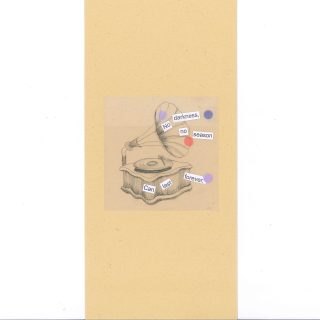
Illustration: Emilia de Haën / Pro Peace
Bubulina Peni has worked in journalism since 2020, starting as a TV journalist in Gjakova before joining KALLXO.com as an investigative reporter and contributing to Prishtina Insight. She later expanded into public communication but continues to write pieces on education, human rights, gender equality, and dealing with the past. She has received journalism awards from the Peaceful Change Initiative and Caritas Switzerland in Kosovo.
This blog is part of the Bridges of Memory series. Discover more stories here.