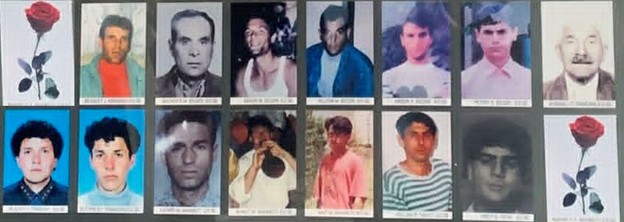
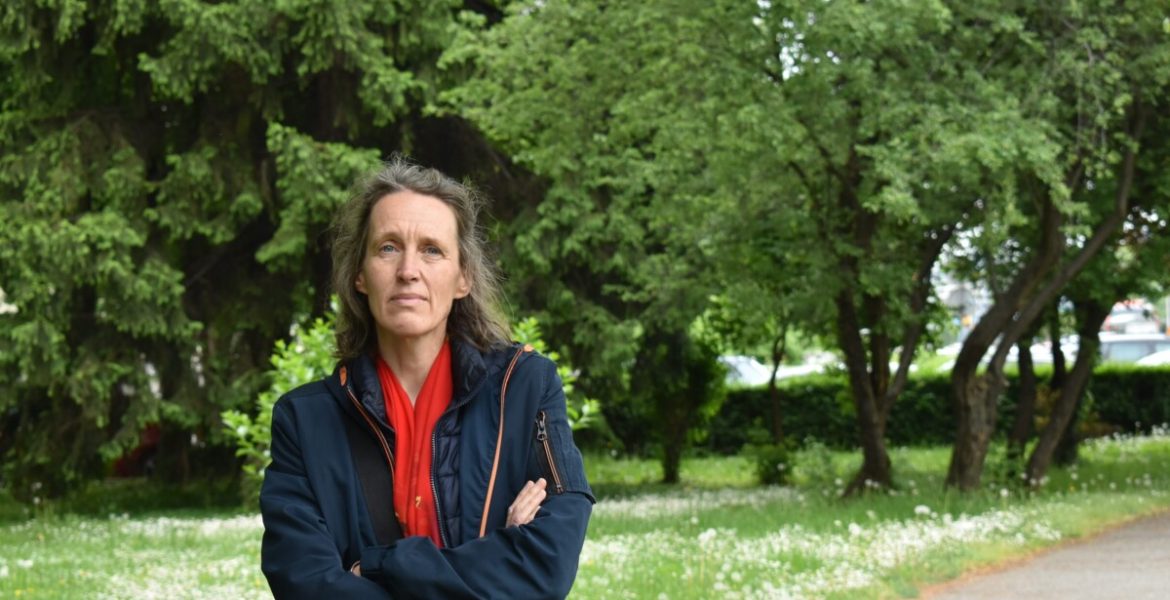
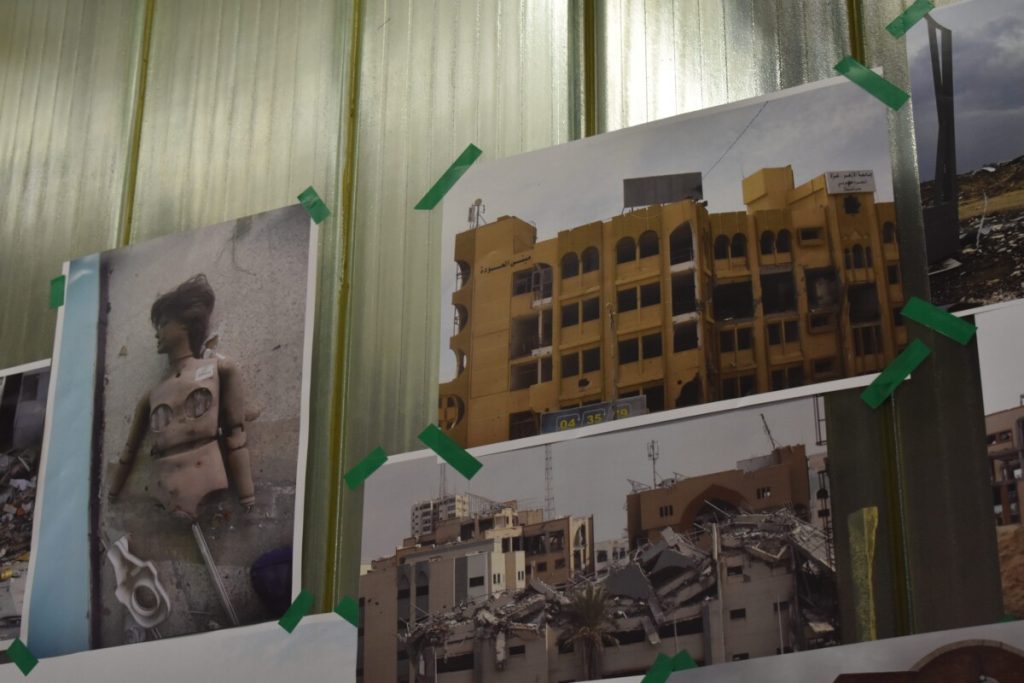
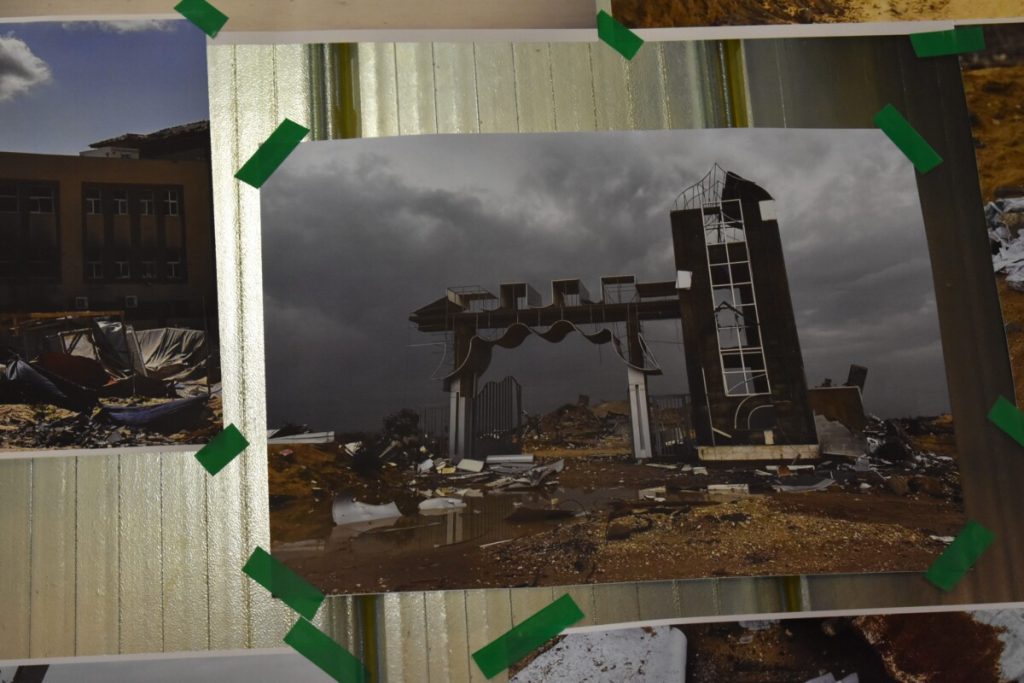
When bombs fell on universities in Gaza, they did not just destroy buildings – they targeted the future. Nadia Sonneveld, an associate professor and legal anthropologist at Leiden University, together with a group of colleagues and students from the Netherlands and Palestine, has spent the past two years documenting this destruction in the framework of the project Picturing Scholasticide – a web platform and multimedia itinerant photography exhibition that is now coming to Sarajevo. In this interview, she explains what the term ”scholasticide” means and why it is important to pay attention to it.
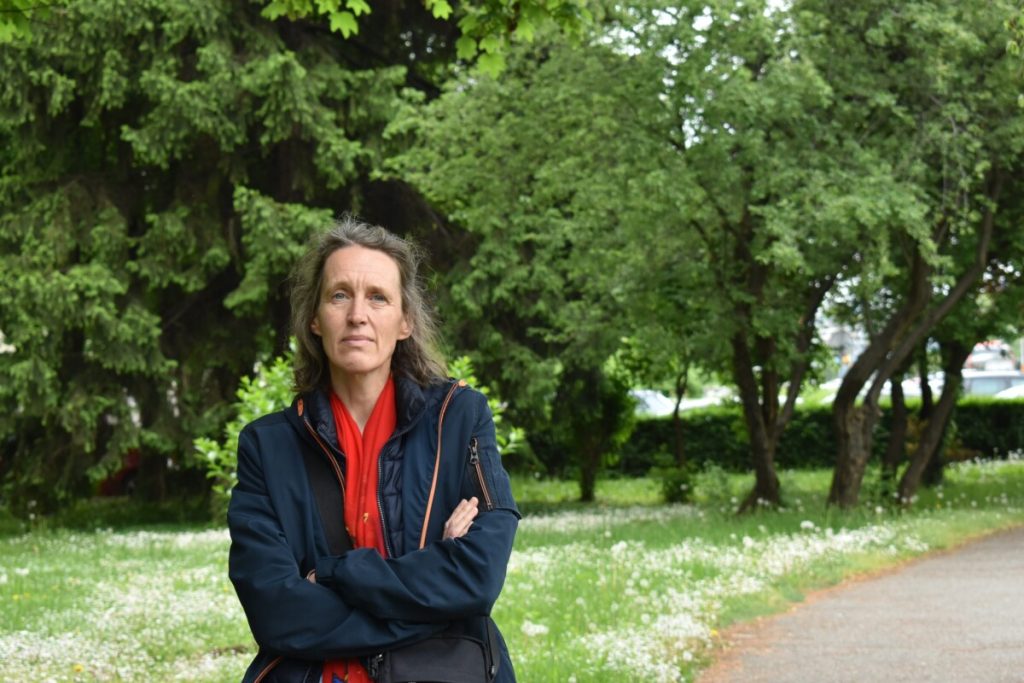
How would you explain the term ”scholasticide” to someone who hears it for the first time?
The term scholasticide was coined by the Palestinian scholar, Karma Nabulsi, of Oxford University, to denote the systematic and deliberate destruction of the educational system and its institutions. It does not only involve buildings, but also campuses, student residence halls, laboratories, archives and museums.
”The exhibition originated from the Faculty of Law of Leiden University, where Sonneveld and her colleagues – after the Russian invasion against Ukraine and the war in Gaza – concluded that the theoretical study of fundamental rights was no longer sufficient, and began working on creating this exhibition and web platform.”
Why did you decide to create this itinerant exhibition?
It all started at our University’s Faculty of Law. We wanted to pay tribute to colleagues who lost their jobs – and sometimes their lives – during the war in Gaza. The essence was to make sure that the work, dreams and histories of our colleagues did not disappear forever – to document the devastation so that not everything would be erased. We also wanted to explore the destruction of higher education as a war crime by analysing its legal dimensions.
Why is it important to use a specific term like ”scholasticide” rather than treating this as collateral damage?
It is extremely important that we do not view the destruction of universities in Gaza as collateral damage. All universities in Gaza were destroyed one by one in only four months – from October 2023 to mid-January 2024, when the last one was literally blown to pieces. This is a systematic destruction, and such things often happen during wars. I think something similar happened here in Bosnia and Herzegovina – the City Hall was one of the first targets precisely because of its importance for the collective memory. When you lose part of your collective memory, you also lose part of what was meant to represent your future.
The human cost of all this is frightening. Tens of thousands of students, professors and teachers have been killed or injured since October 2023. What does this mean for the future of a society already shaped by occupation?
Scholasticide is part of a much wider destruction pattern. It is an attempt to erase culture, hope, skills of future generations, critical thinking and identity. Part of this identity was the fact that around 97-98% of the Palestinian population was literate, and that the higher education enrolment rate in the Occupied Palestinian Territories was exceptionally high – 62% for female students and 38% for male students.
With many teachers and administrative staff either killed or only able to work under extremely difficult circumstances, a huge eductional gap is forming. The youngest children, especially those who are yet to start attending primary school, will suffer the most. Literacy could decrease, opportunities for a better future could disappear, and whole communities might become even more dependent and vulnerable than they already are.
What is crucial for rebuilding the educational system after the scholasticide?
They have already begun. Students in Gaza, or those that have fled to Cairo, for example, are continuing their studies online, even as their teachers struggle with unstable access to electricity, the Internet and food, recording and posting lectures whenever they can.
Education has been the most important window of hope and people are not ready to give it up. A secondary school teacher I know walks for an hour every morning from his tent to the school, which is also a tent, and he does it on a voluntary basis. The buildings may be destroyed, but people are not giving up on education.
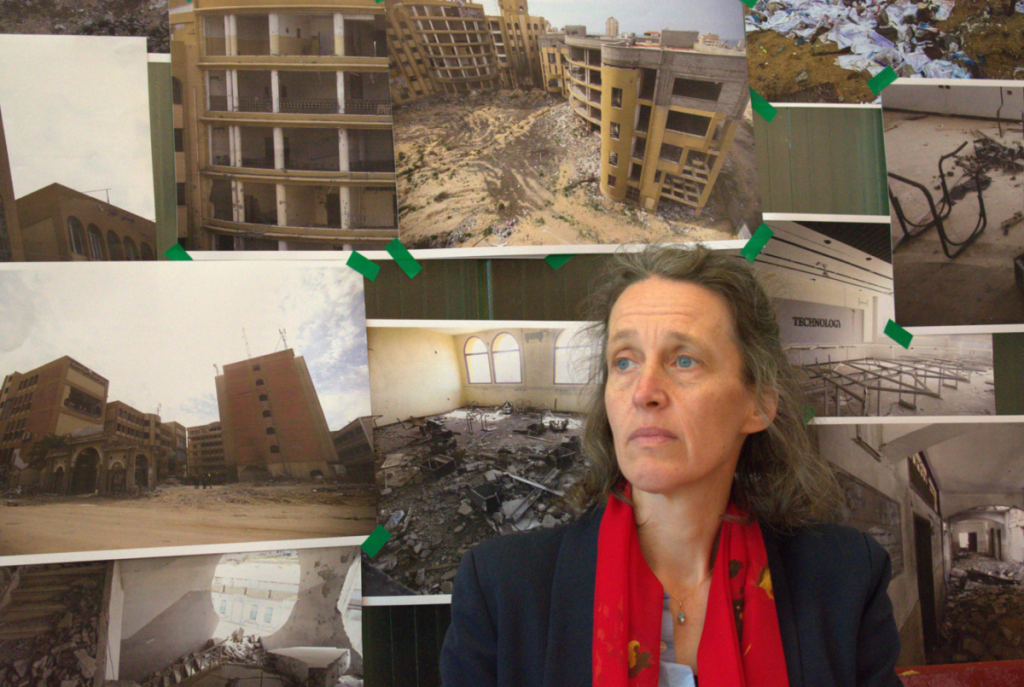
”Sarajevo is not just another stop on this exhibition’s itinerary. It is a city that knows what it means to watch a library burn and to see war silence schools. Sonneveld is very much aware of that.”
Does the message of the exhibition change when it comes to a city like Sarajevo?
It depends on people viewing it. Based on personal and collective history, the exhibition can establish a certain interaction. It would be very difficult to set it up in the Netherlands – we were unable to obtain permissions from certain faculties, which might reflect our own national history from World War II. The people I spoke to in Bosnia and Herzegovina have their own memories of how education had to be rebuilt after the war. I believe that the exhibition resonates in different ways, depending on the historical experience.
How important is it for students in Bosnia and Herzegovina to draw parallels between Gaza and Bosnia and Herzegovina?
I would be very much interested in hearing what they and their professors think about that and to what extent they make that connection. That relationship is not identical – here, unity was promoted through education, whereas in Gaza and the West Bank, that has never been the aim. Education can be used to instill the values of cooperation and critical thinking, but it can also be used for the complete opposite. Education is never neutral. Critical thinking is not something that comes naturally; education must play an important role in its development. Critical thinking can destabilise the existing order, which is precisely one of the reasons why educational systems are targeted in Gaza.
Can you tell us more about the fundraising initiative associated with the exhibition?
Due to the massive disruption to children’s schooling since October 2023, Akram Jamee, a colleague from Gaza and a long-term humanitarian activist, has launched an initiative to restore hope and education in the Khan Younis area. The intensive programme that is currently running for 500 primary school children aged 6 to 11 in a tent will be expanded to 1,000 children. This age group is particularly important, as this is the period when children must master the basics. If they miss this period, it is much harder to catch up later on.
The programme does not offer only classrooms in a tent, but also a chance to restore the childhood of children that war has taken from them. Most of the children sit on the ground during the cold, rainy winters – there are no desks or chairs, school supplies, blackboards or textbooks, and teachers who are volunteers need at least a token payment to be able to continue their work. The programme also provides psychological support to help children overcome their trauma. Helping them today means protecting their future and supporting the entire community.
How can the media help to have the destruction of education identified as a reason for genocide, and not just its consequence?
The media can help by sharing the personal stories of those directly affected – since it is the personal testimonies that make the loss real. Schools are much more than buildings: they carry cultural significance and are part of the collective memory. When teachers and students are killed, and libraries, archives and student records are destroyed, it is not just the building that is destroyed. Media reporting should also point out that attacks on schools may constitute evidence of the intent to destroy a group, as noted by international courts, including the International Court of Justice in the case of Bosnia and Herzegovina v. Serbia and Montenegro. While hospitals and places of worship are widely recognised as protected, schools often are not – and it is precisely the media that can urgently draw attention to this distinction.
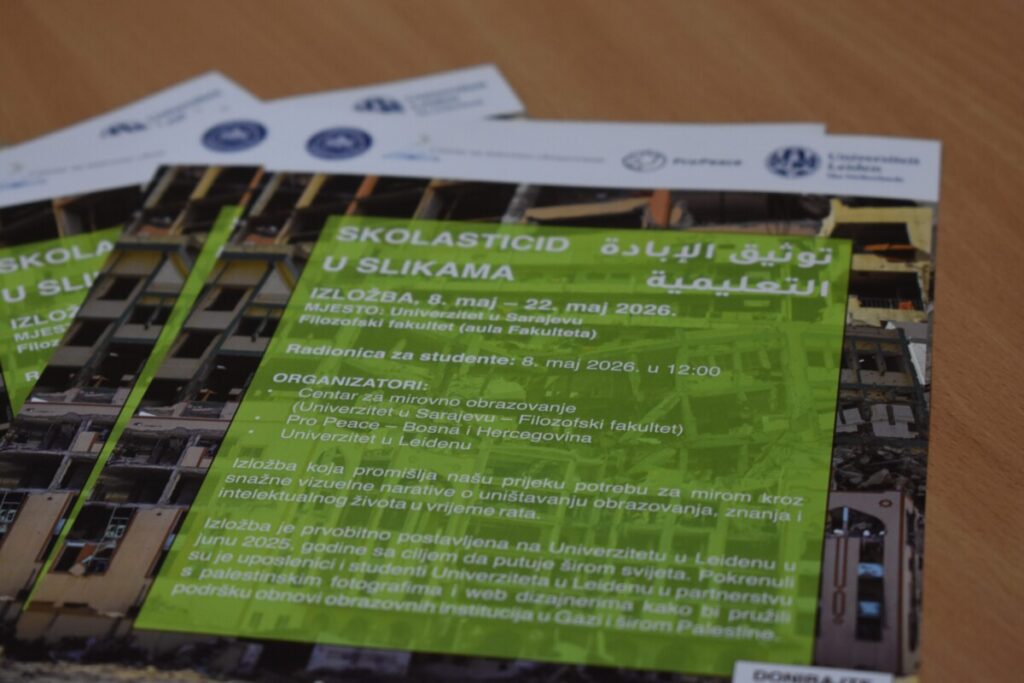
The Picturing Scholasticide exhibition is on display at the Faculty of Philosophy in Sarajevo until May 22, 2026. Donations for rebuilding of primary education in Khan Younis can be made via the platform School for Gaza.