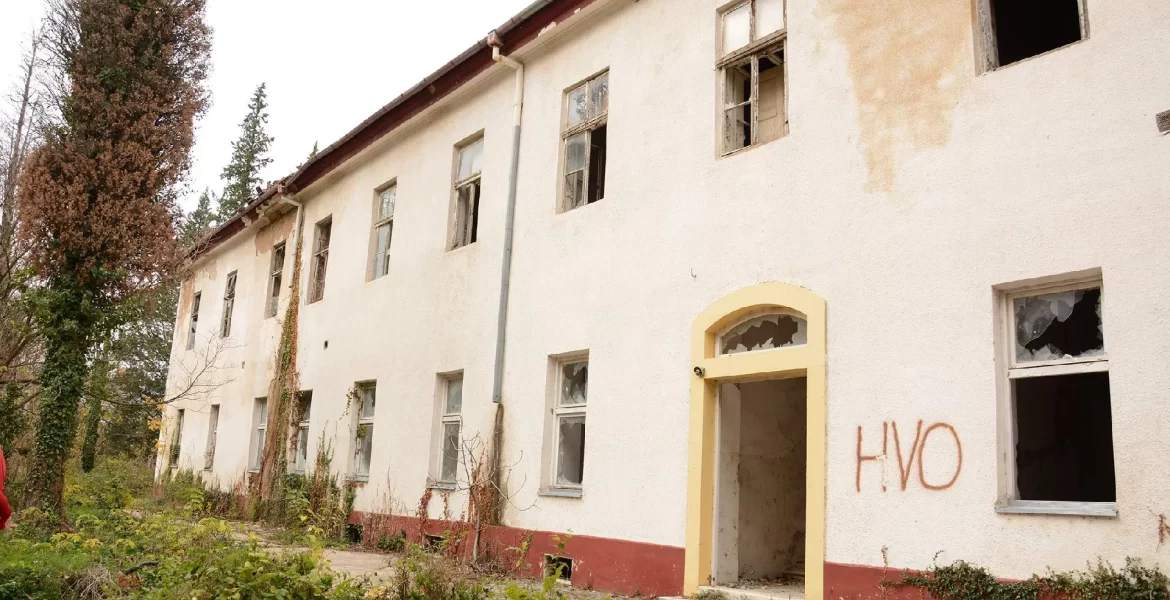
The Hospital for Skeletal Diseases in Stolac was repurposed in the summer of 1993. Back then, one of the darkest chapters of the war history of Bosnia and Herzegovina started. Usually, it is the most innocent ones who pay the highest price for the madness of persons that target others for being different and consider them enemies for this reason.
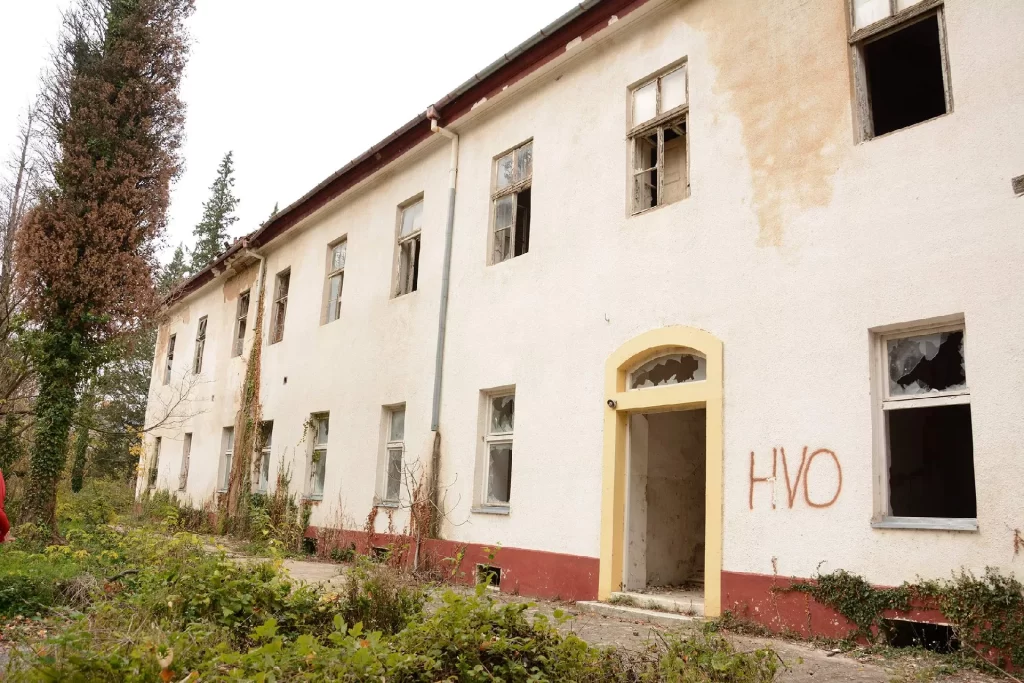
In 1992, the building of the Hospital for Skeletal Diseases was turned into the seat of the military police of the Croatian army, the Croatian Defence Council (HVO) and a concentration camp, where Bosniaks from Stolac and neighbouring areas were detained. Under the excuse of routine controls or questionings, hundreds of persons were taken to the Hospital for Skeletal Diseases, where the psychological torture of detainees started. Three persons were killed in this building, and four more persons died from beatings at other concentration camps. Stolac was ethnically cleansed, its mosques were destroyed and the Bosniak people from this small Herzegovinian town were displaced.
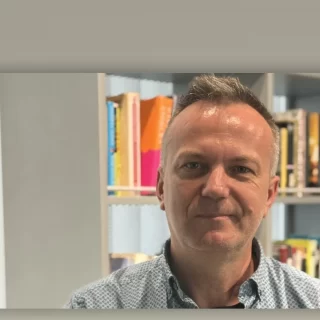
As a result of this policy, many boys and men ended up at some of the concentration camps of the so-called Herzeg-Bosnia. One of them was also Amer Đulić, who was arrested on August 2, 1993 and spent the following months at the concentration camp located at the Hospital for Skeletal Diseases, in Dretelj, Gabela and Heliodrom.
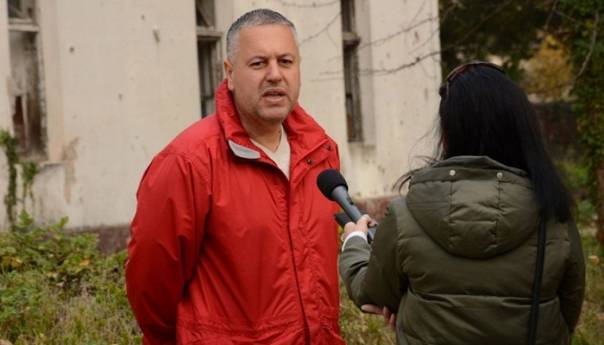
”I ‘celebrated’ my eighteenth birthday and coming of age at the concentration camp Heliodrom on December 27, 1993. A year after that, on March 22, 1994, I celebrated my release after I got off a UN lorry near the building Razvitak in Mostar. I remember well that, after getting off the lorry, they registered our names and let us go. My late father was waiting for me and we continued to Blagaj”, Đulić remembers.
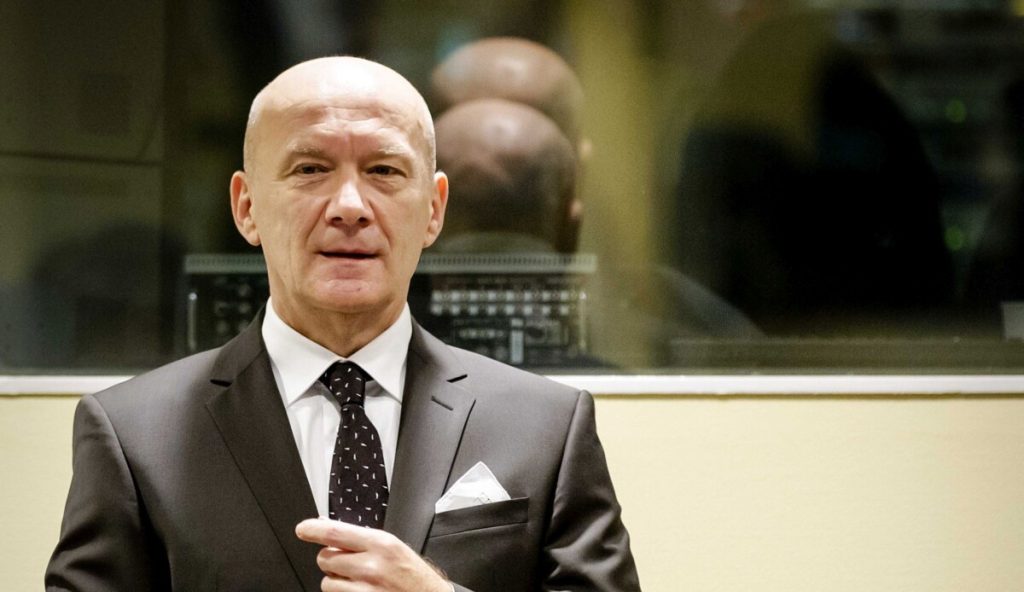
The International Criminal Tribunal for the Former Yugoslavia sentenced the war-time president of HVO and the president of the Government of the self-proclaimed Croatian Republic Herzeg-Bosnia, Jadranko Prlić, to a 25-year prison sentence for crimes committed in this building in Stolac. The head of the Defence Department of the Government of the self-proclaimed Croatian Republic Herzeg-Bosnia, Bruno Stojić, was sentenced to a 20-year prison sentence for these crimes, the commander of the general staff of HVO, Slobodan Praljak, was sentenced to a 20-year prison sentence, the chief of staff of HVO and deputy commander-in-chief of HVO forces, Milivoj Petković, was sentenced to a 20-year prison sentence, the head of the Directorate of the Military Police of HVO, Valentin Ćorić, was sentenced to a 16-year prison sentence, and the president of the Detainee Swap Service, Berislav Pušić, was sentenced to a 10-year prison sentence. Petar Matić and Ante Krešić, former members of HVO, were sentenced to two-year prison sentences for crimes committed at the Hospital for Skeletal Diseases before the Cantonal Court in Mostar in November 2009. A final three-year court sentence was handed down in case of Niko Obradović, also a former member of HVO, in February 2007 for crimes committed at the Hospital for Skeletal Diseases. It is important to add that the list of persons convicted of crimes at the Hospital for Skeletal Diseases is not final.
”I came back to Stolac in 1998, when life started from scratch. Back then, criminal proceedings were initiated for war crimes committed in Stolac and at concentration camps in which I had been detained. I participated in these proceedings for around 20 years and was a witness many times – at the cantonal, state court, up to the International Tribunal in The Hague, which I am proud of, because I was able to witness the delivery of a 111-year prison sentence in case of the military and political leadership of the so-called Herzeg-Bosnia. I have never gotten any assistance or support from anyone, either from a person or an institution. All witnesses have actually fallen into oblivion a long time ago, nobody remembers me except for my family and close friends, who have supported me throughout my life”, Đulić points out.
This year, the Association of Concentration Camp Detainees of Stolac Municipality will once again mark the anniversary of suffering of persons at the Hospital for Skeletal Diseases Stolac, a building that has fallen into disrepair. Đulić also points out that they sent a request on behalf of the Association of Concentration Camp Detainees of Stolac twice, and later on also a request to a committee of the Council of Ministers of Bosnia and Herzegovina, in order to obtain a room at this building to build a site of remembrance, however, they unfortunately have never received an answer.
”As a result of a decision and outvoting at the Municipal Council of Stolac in 2017, the building of the Hospital for Skeletal Diseases was entered as the property of the City of Stolac. However, even after a letter had been sent to the Council of Ministers to warn about this situation, there were no reactions and no annulment of this decision. I believe that both the former and current government, which are composed of the same parties, wish that this building continues falling into disrepair, so that over the coming years they can destroy and erase it, although it is extremely important for many persons, having in mind its history, starting from the Austro-Hungarian period until the beginning of the war, when its purpose was changed and it was turned into a concentration camp”, Đulić says.
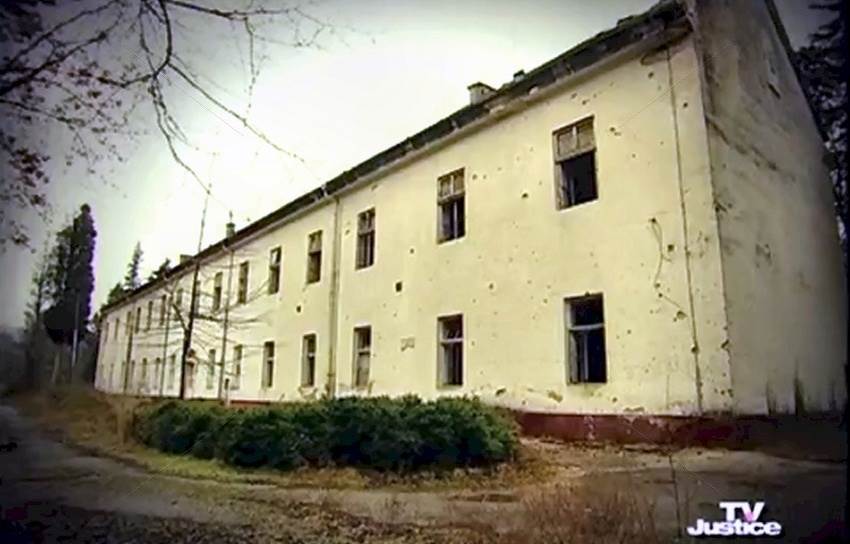
Although the building has fallen into disrepair and institutions keep silent about this issue, former concentration camp detainees and their families do not give up on marking August 4. For them, the Hospital for Skeletal Diseases is not just another abandoned building, but a symbol of admonition and testimony of how far human hatred can go when there is fertile ground for its dirty plans.
The text was co-authored in cooperation with Tačno.net